Understanding AI Image Editors and Their Impact
The evolution of technology has transformed many aspects of our lives, including how we create and edit images. With the advent of ai image editor tools, photographers, designers, and hobbyists can now leverage artificial intelligence to enhance their workflows significantly. These innovative tools are designed to streamline processes, reduce time spent on repetitive tasks, and provide results that were once the exclusive domain of skilled professionals. In this article, we will delve deep into the world of AI image editing, exploring its definition, features, advantages over traditional methods, and the future trends shaping this dynamic field.
What Is an AI Image Editor?
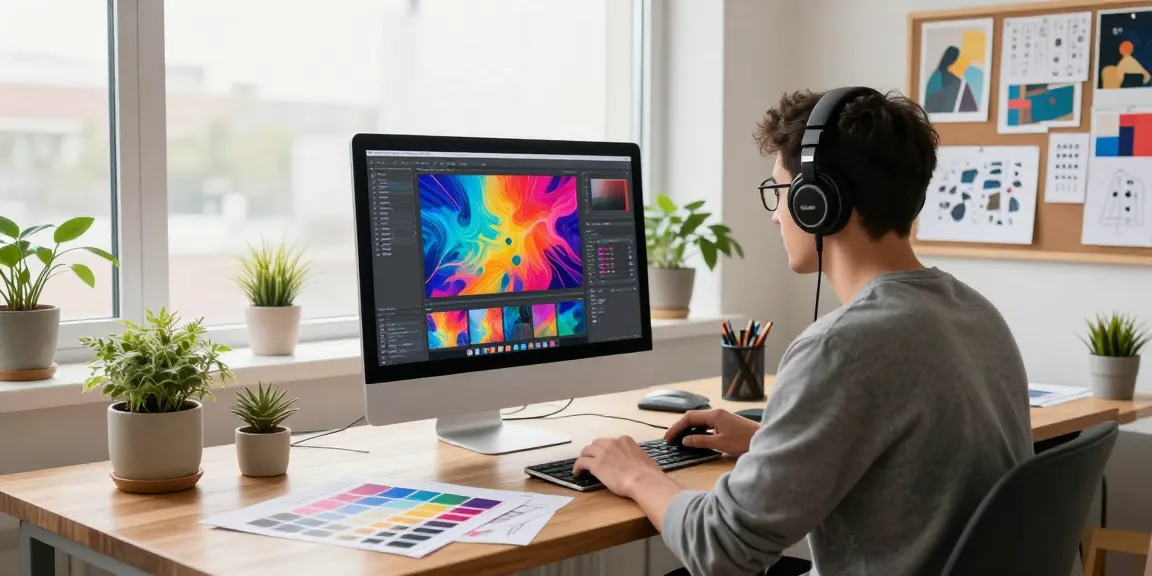
An AI image editor is a software application that utilizes artificial intelligence algorithms to enhance, modify, and create images. These tools can automate complex editing tasks, such as background removal, color correction, and style transfer. Unlike traditional image editing platforms, AI image editors learn from vast datasets, enabling them to make intelligent adjustments to images with minimal user intervention. This capability makes them particularly appealing to a wide range of users, from novice photographers to seasoned professionals.
Key Features of Modern AI Image Editors
Modern AI image editors come equipped with several advanced features that set them apart from traditional tools. Some of the most noteworthy include:
- Automated Enhancements: AI editors can automatically adjust brightness, contrast, and saturation based on data analysis, offering users quick and professional-quality enhancements.
- Content-Aware Editing: These tools can intelligently identify and manipulate specific elements within an image, allowing for seamless changes without visible alterations.
- Style Transfer: AI image editors can replicate the visual style of one image and apply it to another, creating unique artistic effects.
- Object Recognition: Advanced AI tools are capable of recognizing objects in images, which can assist in tasks like tagging and organizing images.
- Real-time Collaboration: Many AI image editing platforms offer cloud-based solutions that allow multiple users to collaborate on projects in real time, enhancing teamwork and productivity.
Benefits Over Traditional Image Editing Tools
The advantages of using AI image editors over traditional methods are numerous. Firstly, they significantly reduce the time required for common tasks, allowing users to focus on more creative aspects of their work. Additionally, AI tools often produce more consistent and high-quality results as they rely on sophisticated algorithms and machine learning techniques. Moreover, they are generally more user-friendly, making them accessible to those without extensive technical knowledge. This democratization of image editing encourages creativity among a broader audience, from social media influencers to business owners needing compelling visuals.
Comparative Analysis: AI Image Editor vs Traditional Tools
Functionality and Usability: A Side-by-Side Comparison
When comparing AI image editors with traditional tools, functionality and usability play crucial roles. Traditional software often requires extensive training and experience to fully harness its capabilities. In contrast, AI image editors offer intuitive interfaces and automated features that simplify the editing process. This shift is particularly beneficial for individuals who may not have formal design training, as they can achieve professional results with minimal effort.
Cost Efficiency: Budgeting for Image Editing Software
Budget considerations are always a factor when choosing image editing software. Traditional tools often involve significant upfront costs, including purchases and subscriptions for additional features. AI image editors, however, provide flexible pricing models, including pay-as-you-go options and free tiers with sufficient capabilities for casual use. This cost efficiency allows individuals and small businesses to access high-quality editing tools without breaking the bank.
User Experience: Feedback from Creatives
User feedback has been overwhelmingly positive for AI image editors, particularly regarding their ease of use and efficiency. Many creatives have reported a decrease in the time spent on mundane tasks, enabling them to allocate resources to more innovative project components. Additionally, the consistent quality of outputs has led to increased satisfaction among users, as they can trust the tools to deliver reliable results. Reviews often emphasize how these tools help spark creativity by providing quick iterations and creative suggestions.
Common Challenges in Using AI Image Editors
Understanding AI Limitations: What They Can’t Do
Despite their many strengths, AI image editors are not without limitations. They may struggle with complex edits requiring a nuanced understanding of artistic intention. For instance, while AI can automate background removal, it may not always accurately discern intricate details like hair or semi-transparent subjects. Additionally, these tools rely heavily on existing datasets, which can limit their ability to generate truly novel effects or cater to niche artistic styles.
Dealing with AI-Generated Content: Ethics and Authenticity
The rise of AI image editing also raises ethical questions regarding authenticity. Creatives must balance the use of AI enhancements with the authenticity of their work. Questions about ownership, consent, and the potential for misuse (e.g., deepfakes) are significant concerns in the industry. It's essential for users to navigate these issues mindfully, ensuring that their work adheres to ethical standards and respects the rights of others.
Overcoming Learning Curves: Transitioning from Traditional Tools
For traditional editors, transitioning to an AI image editor can present a steep learning curve. Old habits may hinder the adoption of new workflows, as users must familiarize themselves with different interfaces and functionalities. However, many AI tools provide tutorials and community support to aid in this transition, emphasizing the importance of patience and practice in mastering new software.
Best Practices for Maximizing AI Image Editor Use
Integrating AI Tools into Your Workflow Effectively
Integration of AI image editors into existing workflows requires careful planning. Start by identifying repetitive tasks that can benefit from automation, allowing the AI tools to handle those aspects. Gradually incorporate these tools into your routine, ensuring you remain comfortable with the process. Regularly evaluate your workflow to identify areas where AI can enhance efficiency further.
Advanced Techniques for Stunning Visuals
To truly leverage the capabilities of AI image editors, users should explore advanced features, such as batch processing for large volumes of images or using AI-generated filters and styles for artistic effects. Experimentation is key; by testing various combinations of features, users can discover unique methods to enhance their visual content.
Case Studies: Successful Implementations by Professionals
Many professionals have successfully integrated AI image editors into their creative processes. For example, a renowned fashion photographer reported a significant reduction in editing time, allowing for more focus on shoot planning and client engagement. Similarly, a marketing team utilizing AI tools for social media campaigns saw an increase in engagement metrics, attributing the improvement to the high-quality visuals produced quickly and efficiently.
Future Trends in AI Image Editing by 2026
Predicted Developments in AI Technology and Design
As we look ahead to 2026, several trends are emerging within the AI image editing landscape. Anticipated advancements include more sophisticated algorithms capable of understanding context better, leading to more accurate and creative outputs. Additionally, the integration of virtual and augmented reality into image editing workflows will likely become more prevalent, allowing for immersive editing experiences.
The Role of AI in Creative Fields: Future Outlook
The role of AI in creative fields is expected to expand significantly. Automation will empower creatives to explore new artistic avenues, focusing on concept development and strategic thinking rather than mundane tasks. Furthermore, as AI continues to evolve, it will likely become an essential partner in the creative process, leading to novel collaborations between human creativity and machine intelligence.
Preparing for Changes in Digital Content Creation
To stay ahead in the rapidly evolving landscape of digital content creation, professionals must adapt to emerging technologies. Keeping abreast of AI advancements, participating in training, and fostering a mindset open to experimentation are crucial strategies. By embracing these changes, creatives can ensure they remain relevant and continue to produce compelling visual content that resonates with audiences.
What are the top features of AI image editors?
The top features of AI image editors include automated enhancements, content-aware editing, style transfer, object recognition, and real-time collaboration. These functionalities dramatically improve both the efficiency and quality of image editing.
Can AI replace traditional image editing software?
While AI image editors can automate many tasks and simplify editing processes, they are unlikely to fully replace traditional software. Instead, they will complement existing tools, making workflows more efficient but still requiring human creativity and insight.
How do I choose the right AI image editor for my needs?
Choosing the right AI image editor involves assessing your specific editing needs, budget, and preferred features. It's advisable to take advantage of trial versions to evaluate performance and usability before making a commitment.
What are the ethical considerations when using AI-generated images?
Ethical considerations in using AI-generated images include issues of authenticity, ownership rights, and potential misuse. Creatives must navigate these concerns responsibly to maintain trust and integrity in their work.
How will AI image editing evolve in the next few years?
AI image editing is expected to evolve with advancements in technology, offering enhanced capabilities for context understanding and creative applications. Users can anticipate more intuitive tools that integrate seamlessly into their creative workflows.